
What is Bottled in Bond Whiskey?
History
Let’s start at the beginning – The Bottled in Bond Act of 1897. Considered the first consumer protection act in the United States of America, the Bottled in Bond Act of 1897 was created to regulate the whiskey and barrel-aged spirits market. Before the Bottled in Bond Act, there were no quality regulations for barrel-aged spirits.
That meant if you bought a bottle of whiskey, you had to trust that what was in the bottle was actually whiskey. And sometimes it was… but sometimes it definitely wasn’t. Counterfeiting was rampant, as dishonest producers added coloring, flavoring, and – in the worst case – poisonous materials to their product in order to give it the appearance of aged whiskey.
Outside of the counterfeiting operations, there were distillers operating and producing legitimate whiskey. The Bottled in Bond Act protected these distillers as well as the consumers, rewarding them with the government’s seal of approval – literally, it was originally a green stamp on the bottle – certifying that they had followed the requirements to be labeled as Bottled in Bond.
The Requirements of Bottled in Bond
To remember the requirements for Bottled in Bond whiskey, you just need to remember your ABC’s:
Aged for at least 4 years
Bottled at 100 proof
Class/Type of spirit is same
Distilled by one distiller
Every 6-month “season” (defined as Jan-Jun OR Jul-Dec)
To dive a little deeper…
Aged for at least 4 years
Bottled at 100 proof
Again, pretty straightforward. The whiskey must be bottled at 100 proof or 50% Alc/Vol.
Class/Type of spirit is same
For class, that’s broad, regulated spirit categories such as vodka, gin, whiskey, rum, etc. You couldn’t put rum and whiskey together and call it Bottled in Bond, even if you followed all the other requirements. We’re honestly not sure what you would call that (whum?), but it’s definitely not Bottled in Bond.
For type, that’s specific, defined types within a class of spirit. For example, whiskey types are bourbon, rye, wheat, malt, etc. To bring this all together, Bottled in Bond bourbon whiskey must be made entirely of bourbon whiskey – so the distiller would need to follow all of the requirements of bourbon and all of the requirements of Bottled in Bond. Same for Bottled in Bond rye whiskeys, Bottled in Bond wheat whiskeys, Bottled in Bond malt whiskeys… you get the picture.
Distilled by one distiller
Bottled in Bond whiskey must be distilled by a single distiller, at a single distillery. While this reads like one person physically has to do the distillation work, it’s actually referring to one Distilled Spirits Plant (DSP). Each licensed producer in the United States has a unique DSP number and Bottled in Bond production can only take place under a single DSP.
We’re actually a great example of how this works: our Experimental Distillery and our Riverfront Distillery both have unique DSP numbers – despite both being owned and operated by us and being located less than a mile from each other. Our Bottled in Bond Vintage releases are distilled entirely at our Riverfront Distillery – we can’t include any whiskey distilled at our Experimental Distillery, even if it meets all of the other requirements.

Every 6 month “season” (defined as Jan-Jun OR Jul-Dec)
The whiskey must be distilled in the same distilling season, defined as Spring (Jan – Jun) or Fall (Jul – Dec). For Bottled in Bond whiskey, you can’t mix whiskey distilled in May with whiskey distilled in November. While this requires stringent record keeping for all distillers, we have to take it a step further, as we have a Bottled in Bond Vintage series – our Bottled in Bond expressions are explicitly vintage dated for the season and year of distillation, and they’re blended to represent that season. So apply that to the requirement above this one, and we have to decide if a new recipe is more appropriate for the spring or the fall 4 whole years before we’ll potentially even use it!
Why Bottled in Bond Now?
129 years after the Bottled in Bond Act of 1897, you may be asking yourself why some distillers still bother following the Bottled in Bond requirements. After all, spirits are now highly regulated – you won’t be picking up a bottle of questionable contents labeled as whiskey in the United States these days. Yet, you still see distilleries all over the country producing Bottled in Bond spirits. Including us! We can’t speak for everyone, but we appreciate the history of Bottled in Bond, as well as the very specific requirements. Because while the requirements are strict, there’s still plenty of room for creativity…
Bottled in Bond – The Chattanooga Whiskey Way
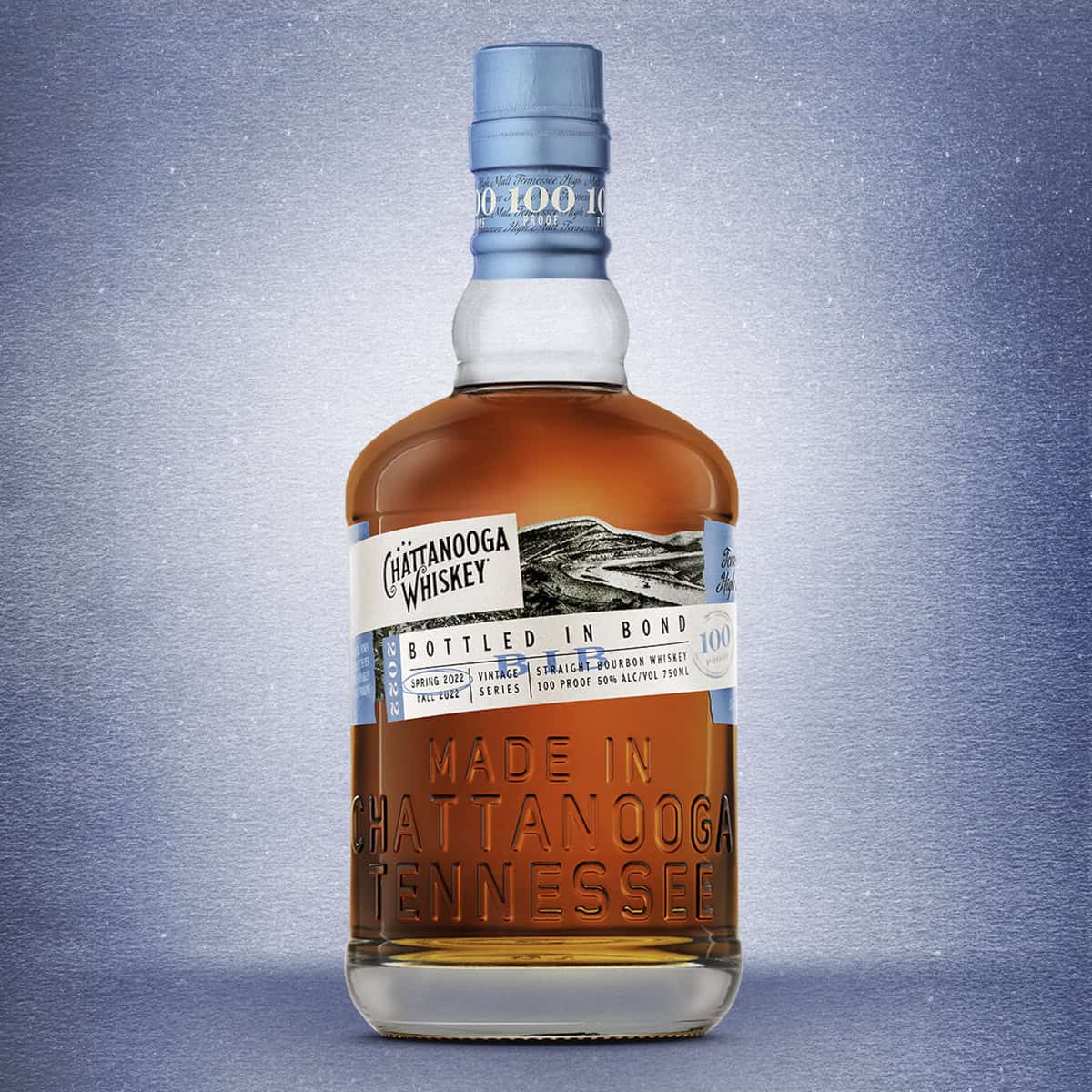
Each spring and fall, we release our seasonal Bottled in Bond Vintage expressions. Cult favorites among our fans, our Bottled in Bond Vintage releases are crafted to showcase the complexity and range of our Tennessee High Malt style – utilizing a wide variety of mash bills from each period to create expressions not possible from a single recipe. No two vintages are ever the same and each is reflective of the season it’s released: spring vintages are meant to taste more like spring, fall vintages taste more like fall, and every single vintage blend is made to say something new!
Find Bottled in Bond: Fall 2022 Vintage currently on shelves in retail stores and at our Experimental Distillery!