
What is Ice Wine?
So why is ice wine so rare? Mostly because of the process used to make it:
How Ice Wine is Made
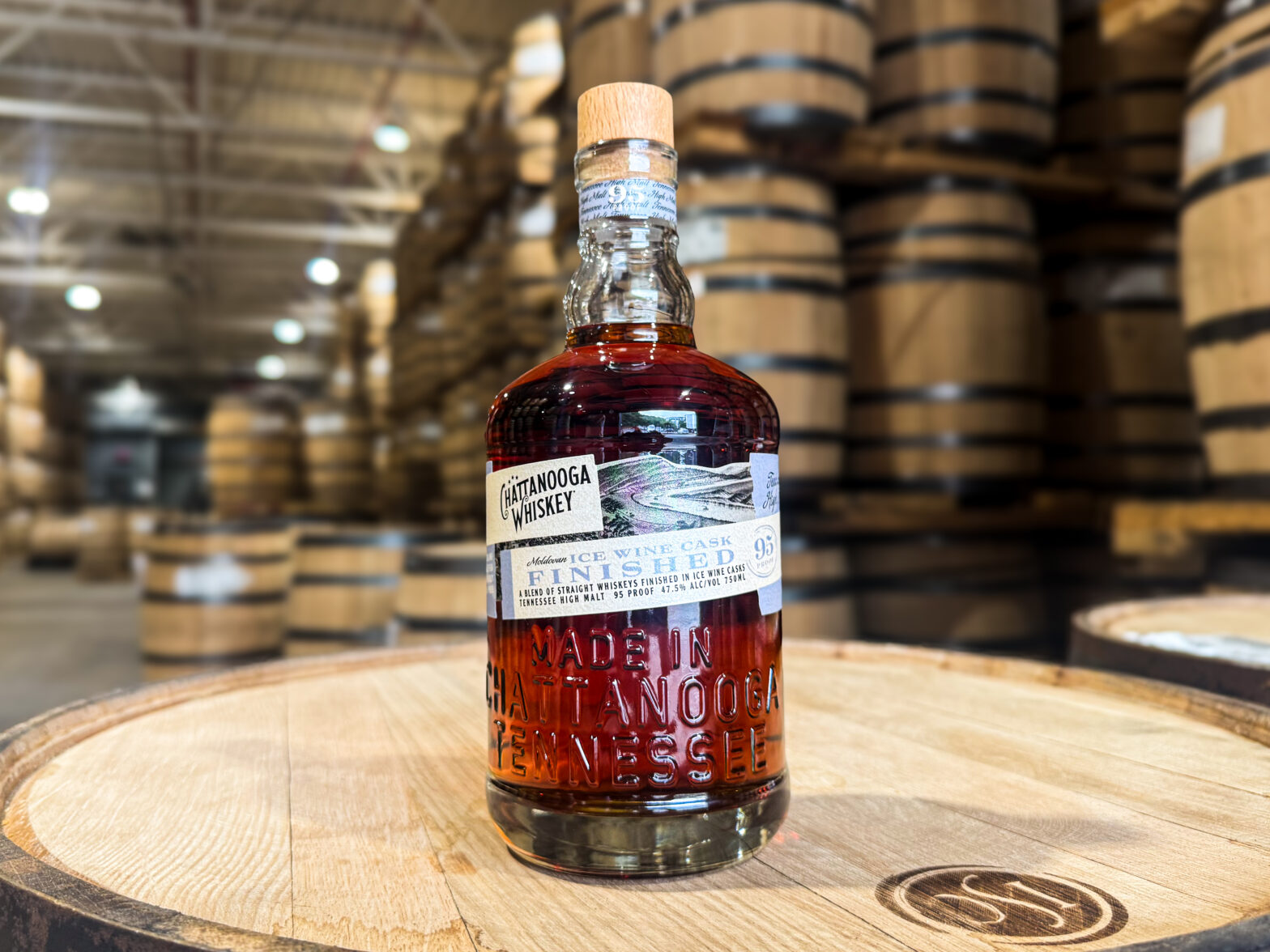
The ice wine we used for Moldovan Ice Wine Cask Finished was made traditionally: the grapes were left hanging outside on the vine into the dead of winter and allowed to freeze naturally. They were then handpicked and pressed, all while still frozen. This method is weather-dependent, risky, and low-yielding: sometimes only 10% yields – the equivalent of us getting only 20 bottles from a barrel!
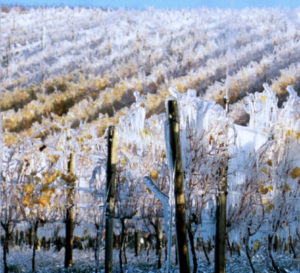
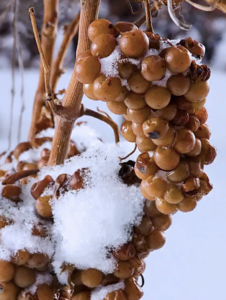
The freezing process of ice wine isn’t just for show, it’s a concentration process that creates bold, sweet flavors. A grape is mostly water with sugar, acid, and aroma compounds dissolved in it. When the berry freezes solid, the water turns to ice… but the sugar, acid, and flavor compounds have a much lower freezing point, so they stay liquid, creating a tiny pocket of syrup trapped inside a ball of ice!
When the frozen grapes hit the press, the ice crystals stay locked in the pulp and only the concentrated syrup runs out. If they were to let the grapes thaw first, they would lose the whole effect and have just made ordinary wine.
The key to ice wine’s bright, sweet flavor is that this freezing process concentrates the grape’s natural acidity right alongside the sugar. As a result, ice wine is intensely sweet, but also sharp and lifted. For us, that means these ice wine casks bring layered notes of dried apricot, honey, and soft oak to the whiskey.
To carry the character of these finishing barrels, our distillers assembled a complex blend of six mash bills – five malt whiskeys and one bourbon. We used mostly malt whiskey because ice wine is bright, high-acid, and aromatic – a heavy bourbon would have flattened it and made it seem thin. The malt lets the wine’s fruit shine through, with just enough bourbon structure to hold it up.
Find Moldovan Ice Wine Cask Finished now at our Experimental Distillery and in stores across D.C., FL, GA, IL, MD, MN, MO, NJ, NY, TN, TX, and WI.